Tag Archives: chiropractor

Gut Immune Cells Cut Inflammation in Multiple Sclerosis

Another great reason to take care of our of second “brain”. Fascinating to see how important the gut microbiome is to our overall health!

More and more research is showing that inflammation in your gut can effect your body. The gut/brain connection is real and should be taken into account when you are sick and not feeling as good as you should. The old adage you are what you eat seem to be right more and more.

Source: http://bit.ly/2TuKrAG

Is too much Screen time bad for you?

We are still learning about the effects of screen time on our children’s brain.  Let’s keep this information in mind while our kids are off school during Christmas break!

“In extreme cases, researchers also said that some brain scans of 9- and 10-year-olds who spend more than seven hours a day using electronic devices show a thinning of the brain’s cortex, which usually happens later in development.”

Have your kids go outside and play! It’s better for their brains! 

*Need help limiting screen time?  Trying printing out a chore/activity chart to have your kids complete for small amounts of screen time at a time!  Stocking up on board games will also be helpful during the cold months as an alternative to video games or cell phone use.

https://www.cbsnews.com/…/groundbreaking-study-examines-ef…/

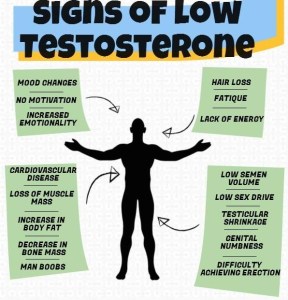
Sugar and Low Testosterone

I came across this article:

The abrupt decrease in serum testosterone levels after an oral glucose load in men: implications for screening for hypogonadism. (1)

74 men underwent a standard 75-g oral glucose tolerance.   25% of the men had suppressed Testosterone levels 120 minutes after the test, pretty scary.

This study showed eating too much sugar could affect your hormones.

Tired, lack of energy, lack of sex drive? Maybe you’re eating too much sugar!

Looking to improve your health? Start with Dr. Steve tips:  Get adjusted to feel your best,  eat your vegetables like an adult, exercise, get 8 hours of sleep,  and have meaningful relationships.

  1. https://www.ncbi.nlm.nih.gov/pubmed/22804876/